

Estonia’s strongest photo locations cluster around six places: Lahemaa National Park’s waterfalls and coast, the Viru Bog boardwalk, Vilsandi National Park’s island light, Jägala Waterfall, and the Patkuli and Kohtuotsa viewpoints over Tallinn Old Town. Below you’ll find timing, access, and ethical notes for each, plus logistics for reaching them without wasting your best light.
TL;DR:
- Most prime photo sites, like Lahemaa National Park and Vilsandi Island, require early visits before sunrise to capture reflections and avoid crowds.
- Spring floods in Soomaa and autumn foliage in Lahemaa create optimal conditions, but weather and natural timing can shorten these windows significantly.
- Self-driving enables flexible, multi-site trips, while boat and flight schedules to islands like Vilsandi and Saaremaa require advance planning.
- A sturdy tripod and weatherproof gear are essential for long exposures and riding out Estonia’s unpredictable weather conditions.
- Respect for wildlife and protected areas is crucial, with local guides recommended to avoid disturbing nesting birds or fragile ecosystems.
Table of Contents
- 1. A shortlist of Estonia’s most photogenic spots
- 2. When to visit and how to shoot responsibly
- 3. Getting there: transport and logistics for photo trips
- 4. Best equipment recommendations for outdoor and nature photography in Estonian landscapes
- 5. How weather shapes your shooting window
- 6. Post-processing notes for Estonian landscapes
- 7. A local note on shooting with care
- Sources
- FAQ
1. A shortlist of Estonia’s most photogenic spots
Estonia rewards photographers who know where to point a lens before sunrise. These locations cover forest, bog, coast, and city, and most are reachable within a few hours of Tallinn.
- Lahemaa National Park: Joaveski, Nõmmeveski, and Vasaristi cascades sit inside one of the largest parks in northern Estonia, where coastline, bog, and old-growth forest meet along marked trails. Visit in autumn for color in the forest canopy, and bring a tripod for the waterfalls, which photograph best on overcast days when contrast is gentler.
- Viru Bog: A boardwalk trail with an observation tower gives you a flat horizon of moss and water that turns gold at sunrise. The Viru Bog nature trail runs 3.5 kilometers point to point or 5.5 kilometers as a loop, and the tower stands roughly 11.4 meters tall for a wide view over the wetland.
- Vilsandi National Park: Rocky islets, the tilted Kiipsaare lighthouse, and seabird colonies make this one of the most distinctive coastal subjects in the country. Visits require advance planning around boat schedules, since Vilsandi is a remote island park with limited crossings.
- Jägala Waterfall: Estonia’s widest natural waterfall drops roughly 7.8 to 8.1 meters across a width exceeding 50 meters, according to the Estonian Wikipedia entry on Jägala juga, and sits about 25 kilometers east of Tallinn. Spring meltwater gives it the most volume, while winter can freeze sections into ice formations worth a wide-angle shot.
- Ingatsi study trail, Soomaa: This 4.3 kilometer route through Soomaa’s floodplain, documented on the Ingatsi study trail page, is best known for its spring floods, when canoes replace footpaths and the bog becomes a mirror.
- Patkuli and Kohtuotsa viewpoints: These two Tallinn Old Town lookouts sit a three-minute walk apart and offer different stories: Patkuli for the geometry of medieval rooftops, Kohtuotsa for a sweeping panorama toward the harbor, as described on Visit Estonia’s Tallinn Old Town page.
- Valaste and Ontika cliffs: The limestone klint along the north coast offers Estonia’s tallest waterfall drop and a dramatic shoreline, best photographed from above in low afternoon sun.
- Soomaa flood meadows: Beyond Ingatsi, the wider Soomaa landscape floods every spring, creating reflective water across meadows and forest, a phenomenon locals call the fifth season.
- Kuressaare and Saaremaa coastline: The island’s windswept shore, juniper groves, and the Kuressaare castle moat give photographers both architecture and open landscape in one trip.
- Tolkuse bog: A 21.57 meter observation tower on the Tolkuse nature study trail rises above a 2.2 kilometer route, giving a higher vantage over bog pools than most wetland trails in the country.
- Nigula bog: A quieter alternative to Viru and Tolkuse, with similar boardwalk access and fewer visitors competing for the same frame.
2. When to visit and how to shoot responsibly
Timing matters more than gear in Estonia’s flat, open landscapes. Spring brings floodwater to Soomaa, when the Ingatsi trail area turns into a shallow lake threading through birch and alder. Autumn color peaks in Lahemaa’s forests, usually giving a short window of orange and red before leaves drop. Saaremaa and Vilsandi reward photographers with low island light that stretches long shadows across rock and water, especially in late spring and early autumn when the air is cleaner. Tallinn’s Old Town takes on a different character in winter, when frost outlines the rooftops visible from Kohtuotsa.
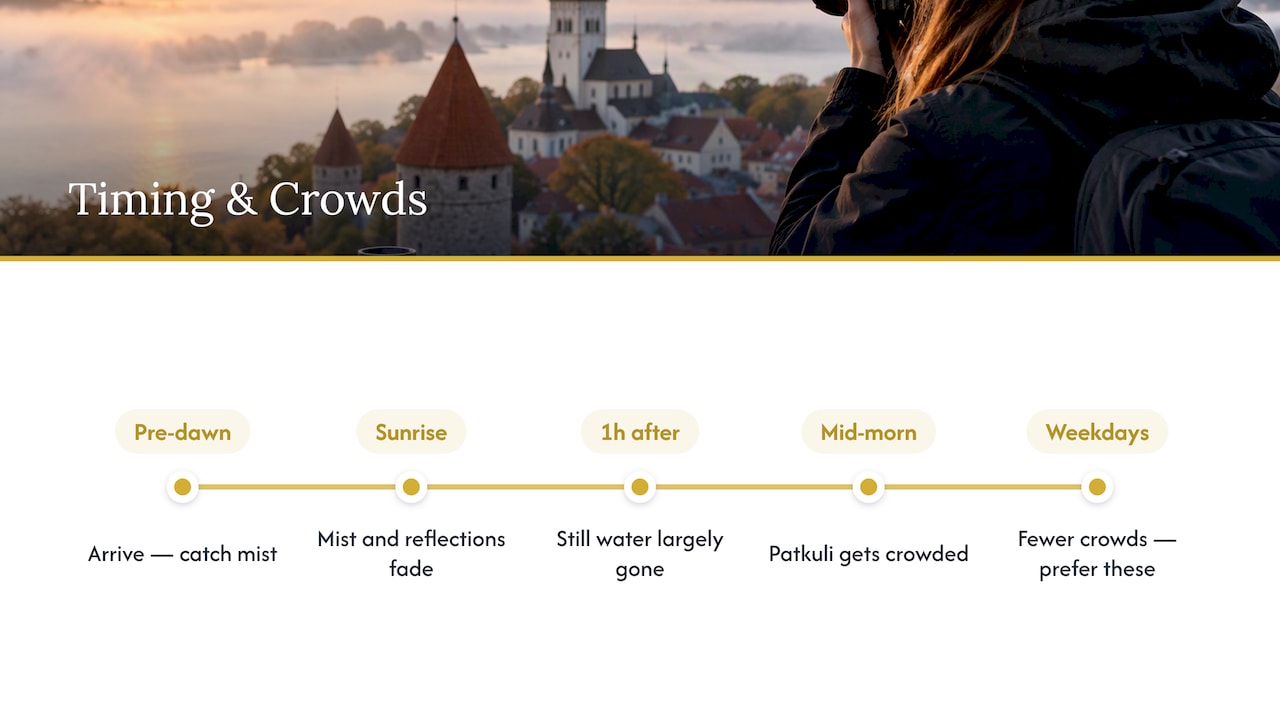
Arrive before sunrise at any bog or coastal site. Mist and still water both disappear within an hour of the sun clearing the horizon, and Patkuli gets crowded with tour groups by mid-morning. Weekday visits avoid the worst of it.
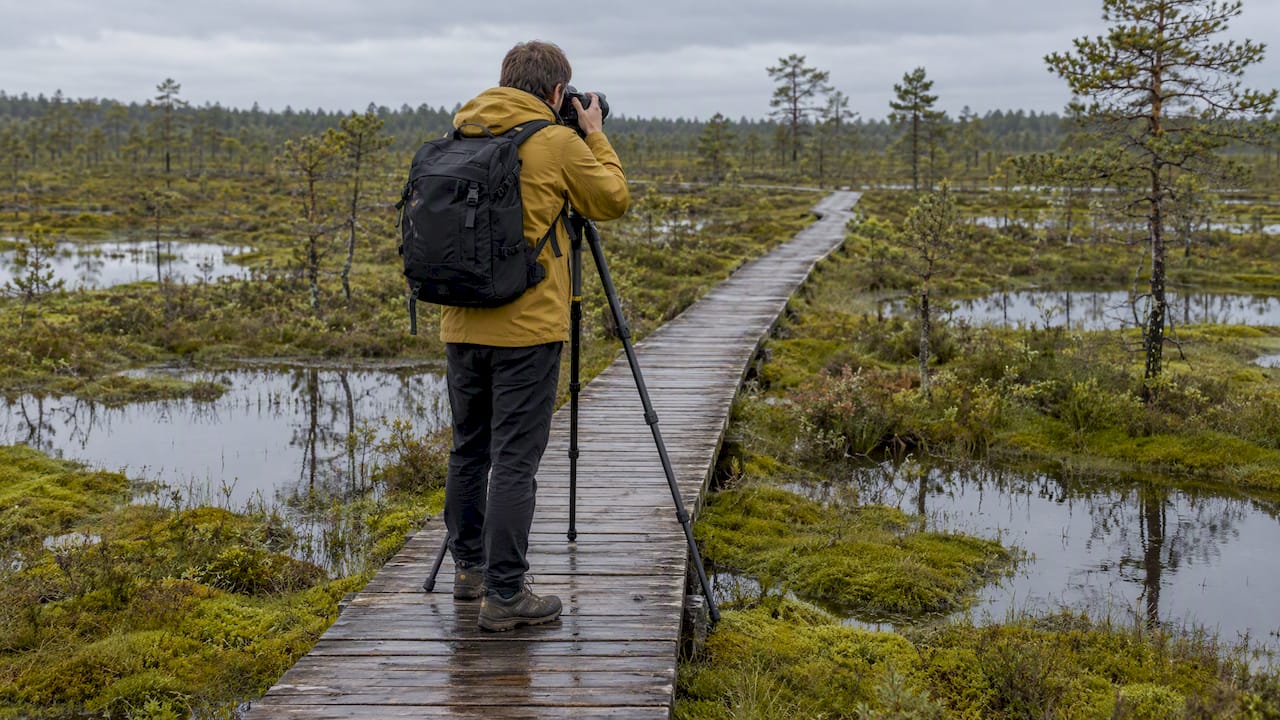
Respect the physical limits of these sites. The Viru Bog trail’s first 1.3 kilometers of boardwalk are wheelchair and stroller accessible, and staying on the boards protects the moss layer beneath your feet, which takes decades to recover once trampled. Looduskalender’s guidance on nature photography puts it plainly: the welfare of the subject comes before the shot. If you find a nesting bird or a fragile patch of bog vegetation, back away rather than push closer, and consider a certified local guide for sensitive wildlife locations, since they know which areas call for extra caution.
Pro Tip: Download offline GPS waypoints from RMK’s trail pages before you head into Soomaa or Lahemaa, since mobile coverage drops out in several forest and bog sections.
3. Getting there: transport and logistics for photo trips
Public buses reach most mainland parks, but schedules rarely align with sunrise, which rules them out for serious shoots. Self-driving gives the most flexibility and works well for Lahemaa, Jägala, and the Tallinn viewpoints, though winter roads near bogs can be icy before plows pass. Saaremaa is reachable by flight or by bus combined with a ferry crossing, and Vilsandi adds another boat connection on top of that, so check schedules on Visit Estonia and RMK pages before locking in a date.
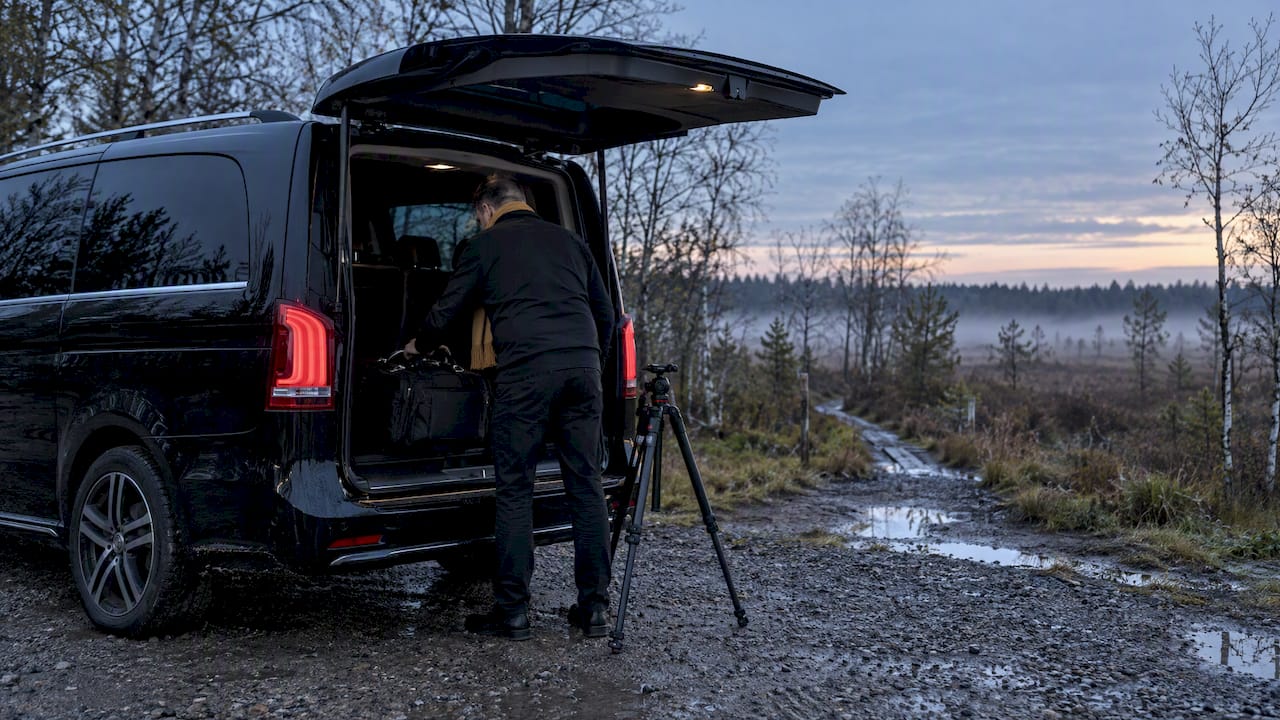
For early starts, heavy gear, or a multi-stop itinerary covering a waterfall before dawn and a city viewpoint after, a private transfer removes the guesswork of bus timetables and parking.
- Public transport works for daytime single-site visits but rarely matches sunrise timing.
- Self-driving suits flexible, multi-day trips across the mainland.
- Island hops to Saaremaa or Vilsandi need advance boat or flight bookings.
- A private transfer or guided photo tour simplifies early starts and multi-stop routes, particularly with tripods, filters, and extra lenses in tow.
SolidRide offers exclusive photo tours around Estonia alongside its regular private transfer service, which runs on a 24/7 basis with Mercedes-Benz vehicles suited to carrying camera gear and group travelers. Before booking any transport, confirm the trail or boat schedule directly on RMK or Visit Estonia pages, since conditions shift by season.
4. Best equipment recommendations for outdoor and nature photography in Estonian landscapes
A sturdy tripod earns its weight on bog boardwalks and coastal cliffs, where low light and long exposures are the norm rather than the exception. A wide-angle lens in the 16 to 35 millimeter range covers Jägala’s full width and Viru Bog’s open horizon, while a mid-range telephoto helps compress detail from Kohtuotsa without crowding other visitors off the platform. A polarizing filter cuts glare off bog water and wet rock along the Lahemaa coast, and a graduated neutral density filter balances a bright sky against a dark forest floor.
Weatherproofing matters more than most photographers expect. Estonian trails cross standing water and exposed coastline, so a rain cover for your camera bag and a microfiber cloth for lens spray are worth packing even on a clear forecast. For composition and technique in changing outdoor light, the ski photography tips from Altai Mountains Resort cover habits for sharp shots in difficult conditions that translate well to Estonia’s bog and coastal shoots. Spare batteries matter too, since cold mornings in bog country drain them faster than a mild afternoon in town.
5. How weather shapes your shooting window
Estonia’s weather changes fast enough to make or break a shoot within an hour. Overcast skies flatter waterfalls and forest interiors by softening contrast, while a clear sunrise suits bog reflections and coastal cliffs where you want defined shadow and color. Fog is common near the coast in early morning, particularly around Jägala and the Lahemaa shoreline, and it can either ruin a wide shot or become the subject itself if you work with it rather than against it.
Wind is the bigger obstacle on open coastline. Vilsandi and the Saaremaa shore catch strong gusts that blur long exposures of water and grass, so a heavier tripod or a faster shutter speed becomes necessary. Winter offers short days and low sun angles that stretch shadows across snow in Tallinn and the forests of Lahemaa, but daylight can run out before 4 PM, which limits how much ground you cover. Spring floods in Soomaa depend entirely on snowmelt timing, so a warm early spring can shrink the flood window to a couple of weeks.
6. Post-processing notes for Estonian landscapes
Estonian light tends toward cool, muted tones, especially in bog and coastal scenes shot under overcast sky. A gentle warmth added in post brings back some of the color the eye remembers without pushing the image into an unnatural orange cast. Bog photography often benefits from lifting shadow detail carefully, since moss and standing water hold a wide range of tonal information that gets lost if you crush the blacks too far.
Waterfall shots from Jägala or Lahemaa’s cascades usually need a touch of clarity reduction on the water itself to keep mist looking soft rather than textured and noisy. For Tallinn’s rooftop views from Kohtuotsa or Patkuli, a mild dehaze adjustment helps on humid mornings, but overdoing it flattens the sense of depth between foreground towers and the distant harbor. Keep sharpening selective rather than global, applied to stone and wood detail rather than sky or water, where it tends to introduce noise rather than definition.
7. A local note on shooting with care
Estonia’s bogs and coastlines reward patience more than persistence. The best image is rarely worth disturbing a nesting bird or stepping off a boardwalk, and local guides trained around Lahemaa consistently know which vantage points deliver a strong frame without that tradeoff. Getting this balance right is less about gear and more about judgment built from time on these trails.
— Erki
Sources
- Viru bog nature trail (RMK) — Viru Bog
- Tolkuse nature study trail (RMK)
- Lahemaa National Park — Visit Estonia
- Jägala waterfall — Estonian Wikipedia
FAQ
What are the best photo locations in Estonia for beginners?
Lahemaa National Park and the Viru Bog boardwalk are the easiest starting points, since both have marked trails and clear sightliness without technical hiking. The Viru Bog trail runs 3.5 to 5.5 kilometers with a wheelchair-accessible first stretch, which makes it approachable for most skill levels.
Do I need a permit to photograph in Estonian national parks?
Most trails and viewpoints in parks like Lahemaa and Vilsandi are open without a permit for general photography, though sensitive wildlife areas may call for extra caution or a local guide. Looduskalender’s guidance recommends prioritizing the welfare of the subject over getting close for a shot, particularly near nesting birds.
When is the best time to photograph bogs in Estonia?
Early morning light is strongest for bog reflections, since wind and sun both disturb the still water within an hour of sunrise. Spring suits Soomaa’s flood meadows, while late summer and early autumn bring warmer tones to the moss at Viru and Tolkuse.
How do I reach Vilsandi National Park for photography?
Vilsandi requires a boat crossing that depends on seasonal schedules, so check Visit Estonia’s Vilsandi page before planning a date. The island’s remoteness is part of its appeal, with limited services and strong birdlife around the Kiipsaare lighthouse area.
Is a private transfer worth it for a one-day Estonia photo trip?
A private transfer or guided photo tour makes sense when your itinerary covers multiple sites before sunrise or requires carrying heavy gear between stops, since it removes the timing constraints of public transport. SolidRide lists exclusive photo tours and private transfer options with availability around the clock for this kind of multi-stop planning.
Lisa kommentaar