


The Illustrated Encyclopedia of Healing Remedies by C. Norman Shealy is a comprehensive, illustrated reference that compiles over 1,000 natural remedies across eight major therapy systems, from Ayurveda and aromatherapy to homeopathy and folk medicine. If you want it today, here are your fastest routes:
- Buy new: Amazon (US) carries both new and used copies; Barnes & Noble lists it online and in stores.
- Buy from the publisher: HarperCollins / HarperReach has the updated edition with official product details and ISBN 9780008281472.
- Buy used: AbeBooks and Bookshop.org both list used marketplace copies at lower prices.
- Borrow or preview free: The Internet Archive holds a digital record with borrowing and preview options.
Primary ISBNs to verify your copy: 978-1-86204-187-3 (original edition) and 978-0-00-828147-2 (updated edition).
Key Takeaways
The Illustrated Encyclopedia of Healing Remedies is a 496-page, illustrated reference by credentialed author C. Norman Shealy covering 1,000+ remedies across eight therapy systems, best used as a starting point for research alongside authoritative safety checks from MedlinePlus or NCCIH.
| Point | Details |
|---|---|
| Book scope | Over 1,000 remedies across Ayurveda, aromatherapy, herbalism, homeopathy, and four other systems in 496 pages. |
| Best edition to buy | Updated edition (ISBN 978-0-00-828147-2) from HarperReach, Amazon, or Barnes & Noble for current content. |
| Free access option | Internet Archive offers digital borrowing; WorldCat helps locate library holdings for interlibrary loan. |
| Safety reminder | Herbal remedies are not FDA-approved; consult a healthcare provider before use, per MedlinePlus guidance. |
| Solidride note | Solidride offers premium private transfers in Estonia for travelers sourcing rare editions or attending book events abroad. |
Table of Contents
- What are the key facts about this book’s editions and formats?
- What therapies and remedies does this book actually cover?
- Who is C. Norman Shealy and why does it matter?
- Which edition should you buy, and for what purpose?
- Where can you buy or borrow this book?
- What should you expect to pay, and how do you avoid buying mistakes?
- How should you use this book responsibly?
- What do readers say about this book?
- How can you borrow or preview this book for free?
- Pre-purchase checklist: what to verify before you click Buy
- A practical perspective on keeping this book on your shelf
- Traveling to source a rare edition? Solidride has you covered
- Sources
What are the key facts about this book’s editions and formats?
| Detail | Original Edition | Updated Edition |
|---|---|---|
| Publication year | 1998 | Later printing (updated) |
| Publisher | HarperCollins | HarperCollins / HarperReach |
| ISBN | 978-1-86204-187-3 | 978-0-00-828147-2 |
| Page count | 496 pages | 496 pages |
| Formats available | Hardcover, paperback | Hardcover, paperback, eBook |
| Illustrations | Full-color | Full-color |
The updated edition is the one to prioritize. HarperReach’s publisher listing confirms it carries revised content and full-color illustrations throughout. The original 1998 hardcover remains widely available used, and its page count and core content are identical to the updated printing, but some remedy entries and safety notes have been refreshed in the newer version.
What therapies and remedies does this book actually cover?
The book spans eight major therapy traditions, each given its own chapter-level treatment:
- Ayurveda: Dosha-based dietary and herbal approaches rooted in Indian traditional medicine.
- Aromatherapy: Essential oil applications for common ailments, with dosing and safety notes.
- Chinese herbal medicine: Formulas and single herbs drawn from Traditional Chinese Medicine.
- Herbalism: Western botanical remedies, plant profiles, and preparation methods.
- Vitamins and minerals: Nutritional supplement guidance organized by deficiency and condition.
- Flower remedies: Bach flower essences and their traditional emotional-health applications.
- Homeopathy: Remedy selection by symptom picture, with potency guidance.
- Folk and traditional remedies: Kitchen-cabinet and cross-cultural treatments from multiple regions.
The NCCIH describes naturopathy as encompassing exactly this kind of multi-system approach, combining dietary changes, herbs, and homeopathy, which maps closely to how Shealy organizes the material. Within each chapter, entries are typically structured by remedy name, traditional use, preparation method, and dosage range, with cross-references to relevant ailments. A general index and ailment-based index at the back let you look up a condition and find relevant entries across all eight systems at once.
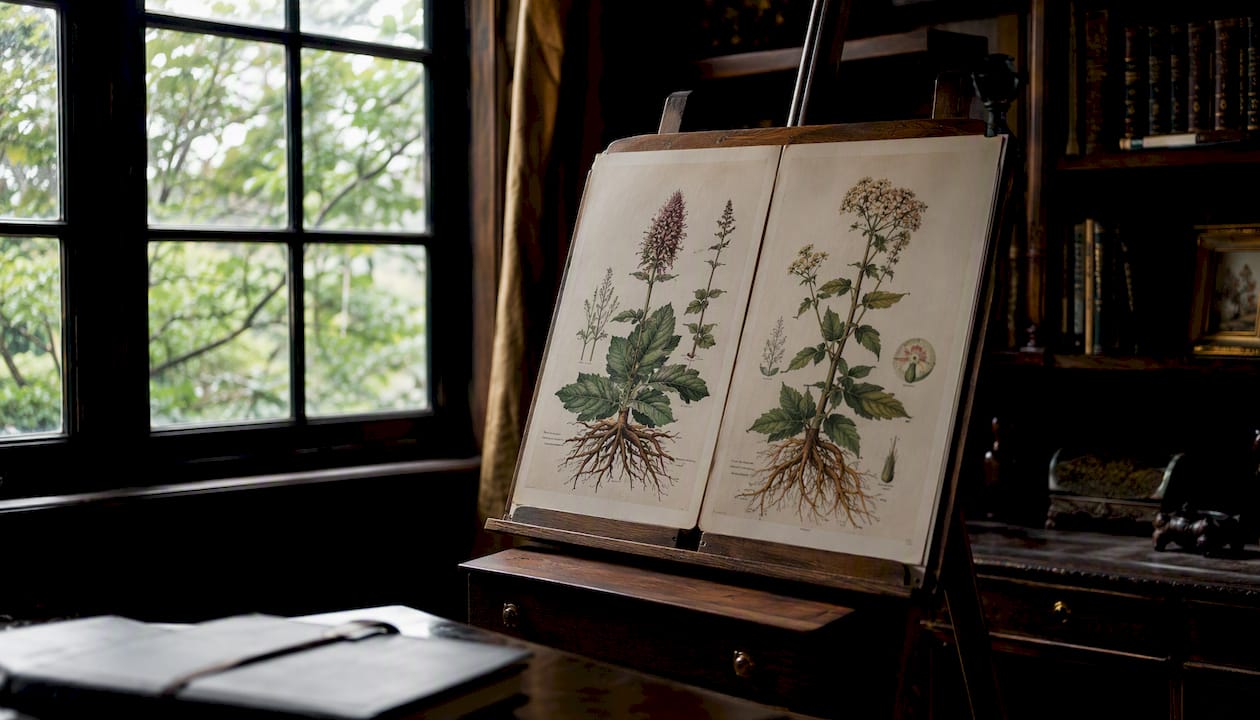
Supplemental materials include full-color botanical illustrations for plant-based entries, charts comparing remedy options for common conditions, and first-aid quick-reference sections. The illustrations are genuinely useful, not decorative: they help readers identify plants and distinguish between similar species.
Who is C. Norman Shealy and why does it matter?
C. Norman Shealy holds both an MD and a PhD, trained as a neurosurgeon, and is the founding president of the American Holistic Medical Association. That combination is unusual. Most encyclopedic remedy books are written either by herbalists with no clinical training or by physicians who dismiss traditional systems entirely. Shealy sits in between: his neurosurgical background gives him a working understanding of pain physiology, and his holistic medicine work reflects decades of interest in non-pharmaceutical approaches to chronic conditions.
That clinical-adjacent perspective shapes the book’s tone. Entries tend to include practical cautions alongside traditional uses, and the overall framing leans toward integrative use rather than replacement of conventional care. The Goodreads author profile and reader notes confirm this balance is one of the book’s most frequently cited strengths.
Pro Tip: An MD author signals clinical awareness, not FDA approval of listed remedies. Shealy’s credentials mean the book is more careful than most about contraindications, but every remedy still needs verification against your own health situation before use.
Which edition should you buy, and for what purpose?
| Edition | Best for | Key difference | Where to find it |
|---|---|---|---|
| Updated edition (ISBN 978-0-00-828147-2) | Most readers, clinical reference, gifts | Refreshed content, current publisher support | HarperReach, Amazon (new), Barnes & Noble |
| Original 1998 edition (ISBN 978-1-86204-187-3) | Collectors, budget buyers | Identical page count; some older safety notes | AbeBooks, Amazon (used), Bookshop.org |
| eBook | Portability, keyword search | Digital format, no physical illustrations to browse | Publisher site, major eBook retailers |
| Library / digital borrow | Preview before buying, casual use | No cost; loan period applies | Internet Archive, local library catalog |
The updated edition is the practical choice for anyone using the book as an active reference. The original 1998 hardcover is worth seeking out only if you want a first printing or are buying used to save money, and you should verify the ISBN before purchasing to avoid receiving a different title or a mislabeled reprint. The eBook format is convenient for searching by keyword, but the full-color illustrations lose some impact on smaller screens.
Where can you buy or borrow this book?
| Seller / Channel | Type | Condition | Best for |
|---|---|---|---|
| Amazon (US) | Major retailer | New and used | Fast shipping, buyer protection, multiple price points |
| HarperCollins / HarperReach | Publisher direct | New (updated edition) | Verified edition info, official product description |
| Barnes & Noble (US) | Major retailer | New | In-store pickup, B&N membership discounts |
| AbeBooks | Used marketplace | Used (various conditions) | Collector copies, lowest used prices |
| Bookshop.org | Independent retailer | New and used | Supporting independent bookstores |
| Internet Archive | Library / archive | Digital borrow / preview | Free preview or short-term loan |
Amazon’s marketplace combines new retail listings with third-party used sellers, giving you the widest price range in one place. The Amazon product page also shows bibliographic details and current seller ratings, which helps you vet individual used sellers quickly. HarperReach is the right stop if you want to confirm you’re ordering the updated edition directly from the publisher. AbeBooks tends to surface the lowest prices on used hardcovers, though condition varies widely and shipping times from international sellers can be long.
What should you expect to pay, and how do you avoid buying mistakes?
Price ranges shift with availability, but here’s a realistic picture by format:
- New hardcover (updated edition): Typically $25–$45 through major retailers.
- New paperback: Where listed, usually $20–$35.
- Used copies (any condition): As low as $5–$15 on AbeBooks or Amazon used, though “acceptable” condition copies may have heavy highlighting or worn spines.
- eBook: Varies by retailer; check the publisher site for current pricing.
- Digital borrow (Internet Archive): Free with a free account; loan periods apply.
Before you click Buy on any used listing, run through these checks:
- Confirm the ISBN in the listing matches the edition you want (978-1-86204-187-3 or 978-0-00-828147-2).
- Read the seller’s condition notes carefully. “Good” on AbeBooks means noticeable wear; “Very Good” means minimal.
- Check whether the listing includes seller photos. A photo of the actual copy is a stronger signal than a stock image.
- Review the seller’s return policy before purchasing, especially on international listings where return shipping costs can exceed the book’s price.
- Look at the seller’s feedback score and the number of completed transactions.
Pro Tip: On Amazon and AbeBooks, you can message a seller directly before purchasing to request additional photos of the spine, inside cover, and a sample page spread. Most reputable sellers respond within 24 hours, and the photos will tell you more than any condition label.
How should you use this book responsibly?
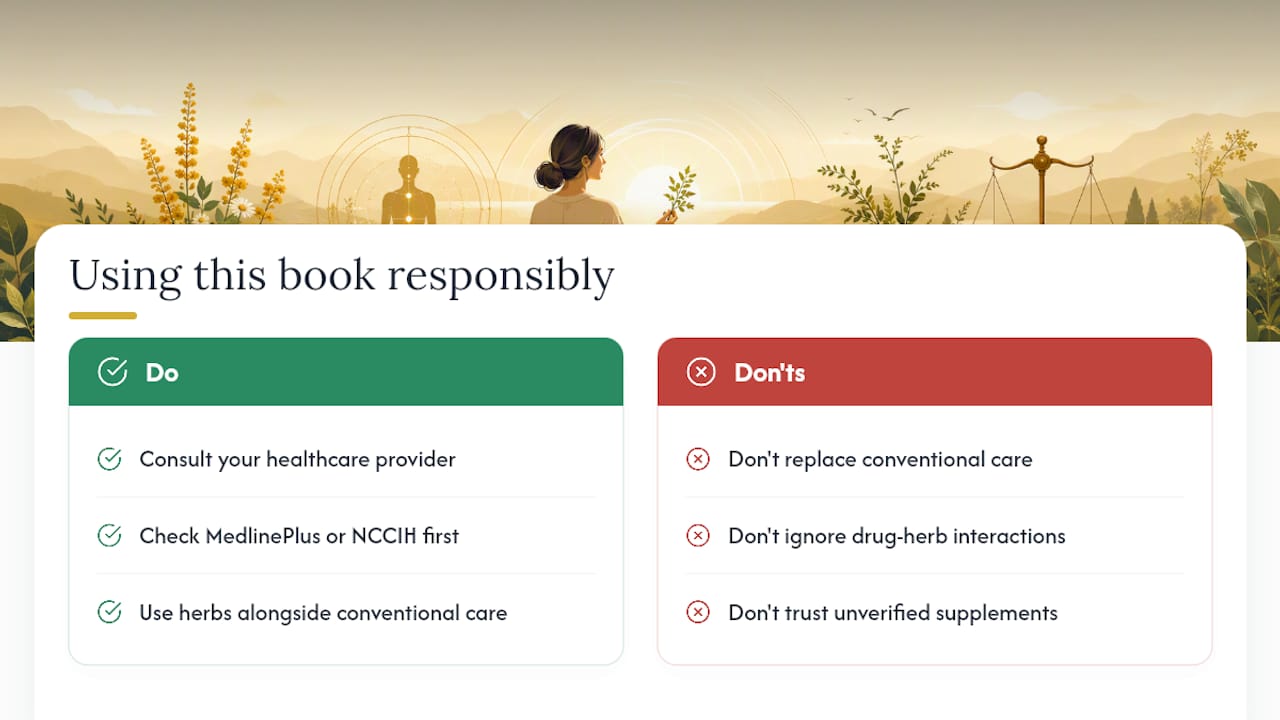
Herbal remedies are classified as dietary supplements, not regulated like prescription medicines. Before starting any herbal remedy, especially if you take prescription medications or have a chronic condition, consult your healthcare provider or pharmacist.
That guidance comes directly from MedlinePlus, and it applies to every entry in Shealy’s encyclopedia. The book collects traditional and empirical practices, not FDA-approved treatments. An entry describing a herb’s traditional use for a condition is not a clinical recommendation.
Mayo Clinic’s integrative medicine overview frames complementary therapies as approaches used alongside conventional care, not instead of it. That framing is the right one for this book. The most common risks with herbal remedies are drug-herb interactions (St. John’s Wort with antidepressants is the textbook example), dosing uncertainty, and contamination in unregulated supplements. Johns Hopkins Medicine’s herbal supplement primer lists specific herbs and their known interaction risks, and it’s worth cross-referencing any remedy you’re seriously considering.
For safety checks on specific herbs, MedlinePlus and NCCIH are the two most practical starting points. Both are free, updated regularly, and written for general readers.
What do readers say about this book?
The book holds a solid rating on Goodreads, where readers consistently praise its breadth and the quality of its illustrations. The most common positive notes: it covers more ground than most single-volume remedy references, the ailment index makes it genuinely usable as a lookup tool, and the illustrations are detailed enough to be practically helpful.
The most common criticism is that some remedy entries rely on traditional evidence rather than clinical trial data, which is an accurate observation rather than a flaw unique to this book. Any encyclopedia of traditional remedies will reflect the evidence base of those traditions.
That sentiment, drawn from Goodreads reader notes, captures the majority view. A smaller number of readers flag that the book is better as a starting point for research than as a standalone clinical guide, which aligns with how Shealy himself frames the material.
How can you borrow or preview this book for free?
The Internet Archive record for this title confirms the 496-page edition and offers digital borrowing where available. Here’s how to access it:
- Internet Archive: Create a free account at archive.org, search the title, and borrow the digital copy for a limited loan period (typically one to two weeks). The full text and illustrations are accessible in-browser or via the Archive’s reader app.
- Local library catalog: Search your library’s catalog by title or ISBN. Most public library systems in the US carry at least one edition.
- WorldCat: Search worldcat.org to find the nearest library holding a copy and request an interlibrary loan if your local branch doesn’t have it.
- Libby / OverDrive: Some library systems carry eBook or audiobook editions through these platforms. Check your library card’s digital lending options.
Borrowing before buying is a smart move if you’re unsure whether the book’s depth and organization fit your needs. The Internet Archive preview lets you check the table of contents and sample a few remedy entries before committing.
Pre-purchase checklist: what to verify before you click Buy
Run through this list before completing any purchase:
- ISBN match: Confirm the ISBN in the listing (978-1-86204-187-3 or 978-0-00-828147-2) matches the edition you want.
- Edition label: Check whether the listing says “updated edition” or “first edition” and verify it matches the ISBN.
- Page count: The correct editions run 496 pages. A significantly different count signals a different title or edition.
- Seller photos: Prefer listings with actual photos of the copy over stock images.
- Condition notes: Read the full condition description, not just the label. “Good” covers a wide range.
- Shipping timeframe: International sellers on AbeBooks can take 3–6 weeks. Factor that in.
- Return policy: Confirm the seller accepts returns if the book arrives in worse condition than described.
- Illustrations present: For a visual reference book, confirm the illustrations are intact and not clipped or water-damaged.
Pro Tip: Before buying a used copy, message the seller and ask for a photo of the ailment index and one full remedy page spread. If the illustrations are damaged or the index is torn out, you’ll know before you pay.
A practical perspective on keeping this book on your shelf
A reference like this earns its place when you treat it as a first-look tool rather than a final answer. When a family member asks about a traditional remedy for a common complaint, the ailment index gets you to relevant entries in under a minute. The eight-system structure means you’re not locked into one tradition’s approach, and the cross-references between chapters surface options you might not have thought to look for.
The limitation is real: the book reflects the evidence available at its writing, and some entries have not kept pace with more recent research. The right habit is to use it to identify candidates, then cross-check anything you plan to actually try against MedlinePlus or NCCIH. That two-step process, reference book plus authoritative safety check, is how integrative medicine practitioners actually use encyclopedic sources. The book is not a substitute for that second step.
Traveling to source a rare edition? Solidride has you covered

Rare hardcover editions of reference books like this one sometimes require a trip: an antiquarian fair in Tallinn, a publisher event, or a collector pickup from a private seller. When that trip runs through Estonia, Solidride delivers the kind of transfer that makes the logistics invisible. Mercedes-Benz vehicles, 24/7 availability, real-time flight tracking, and a meet-and-greet service that handles your luggage from the moment you land. No waiting, no coordination overhead, no taxi queue after a long flight.
Solidride serves business travelers, collectors, and VIP clients who need a private transfer service that runs on their schedule, not a shared shuttle’s. Whether you’re arriving at Tallinn Airport or need a multi-stop itinerary across the city, the booking process is straightforward. Check availability and Solidride.
This article provides general information about a published reference book and is not a substitute for professional medical advice. Consult a qualified healthcare provider before starting any herbal or complementary remedy.
Sources
- The Illustrated Encyclopedia of – Healing Remedies, Updated Edition: Over 1,000 Natural Remedies for the Prevention, Treatment, and Cure of Common Ailments and Conditions (The Illustrated Encyclopedia of)
- The Illustrated Encyclopedia of Healing Remedies
- A guide to herbal remedies: MedlinePlus Medical Encyclopedia
- Integrative medicine – Mayo Clinic
- Naturopathy | NCCIH
- The illustrated encyclopedia of healing remedies : Shealy, C. Norman, 1932- author : Free Download, Borrow, and Streaming : Internet Archive
Lisa kommentaar